Igodemy Institute for Applied AI

Customer-Centered AI Research & Innovation

Our method

How to Research and Implement AI: A Four-Phase Workflow

Most AI projects that fail in production were already failing in discovery. So every engagement runs through four phases, in order — each one earns the right to start the next.

Phase 1 · 2–4 weeks

Understand the client

We map how the business really makes money, where today's process breaks, and who can approve — or quietly veto — a change.

About one in four engagements stops here, when the right answer is a workflow, data or hiring fix — not AI.

Selected case studies

Research we've already delivered

A few examples of turning raw data — and raw signal — into decisions teams can act on.

Data analysis · Behavioral research

From a 348-row survey to decisions the team runs on Monday

The brief. Leadership didn't want an academic paper — they wanted to understand which behavioral dimensions separate their best clients from the rest, and turn that into something a non-analyst could apply.

What we did. A full exploratory factor analysis on 348 respondents — PROMAX rotation, KMO and scree checks, hierarchical structure and cluster optimization — run end-to-end as a reproducible pipeline, with every data-cleaning decision logged.

The outcome. A clean 12-factor structure, five strategic segments and nine operational microprofiles, publication-quality charts, an executive deck, and a one-page guide the team applies with their own judgment.

348respondents
12factors
0.883KMO
66.1%variance explained
9microprofiles
Illustrative segment profiles across behavioral dimensions
TrustAutonomyDigitalUrgencyPriceLoyalty
Guided delegatorsIndependent self-serversPragmatic value-seekers
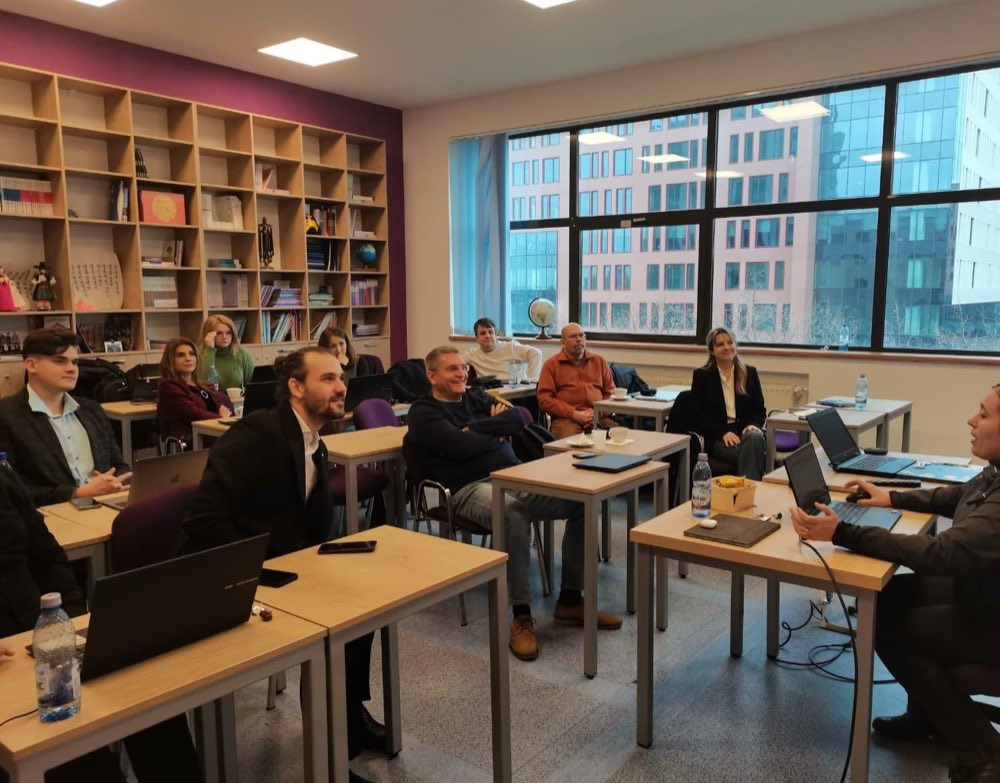
Analyzing survey data on screen at the Igodemy Institute for Applied AI

Customer research · Insight synthesis

From hundreds of customer conversations to a decision in a week

The brief. A team was sitting on a mountain of qualitative signal — interviews, reviews, open-ended survey answers and support transcripts — and no time to read it all before the next roadmap decision.

What we did. We built a synthesis pipeline that reads the full corpus, clusters it into themes with verbatim evidence, sizes each opportunity by how often it shows up and how much it hurts, and drafts a decision-ready brief — with a researcher validating every theme before it ships.

The outcome. Six weeks of manual coding became a few days. The team walked into planning with a dozen evidence-backed themes and a prioritized shortlist — every claim traceable back to a real customer sentence.

200+sources synthesized
12themes surfaced
6 wks → daystime to insight
100%traceable to source
Top themes by share of mentions (illustrative)
Onboarding friction 92%
Pricing clarity 74%
Support speed 61%
Feature gaps 48%
Trust & security 36%
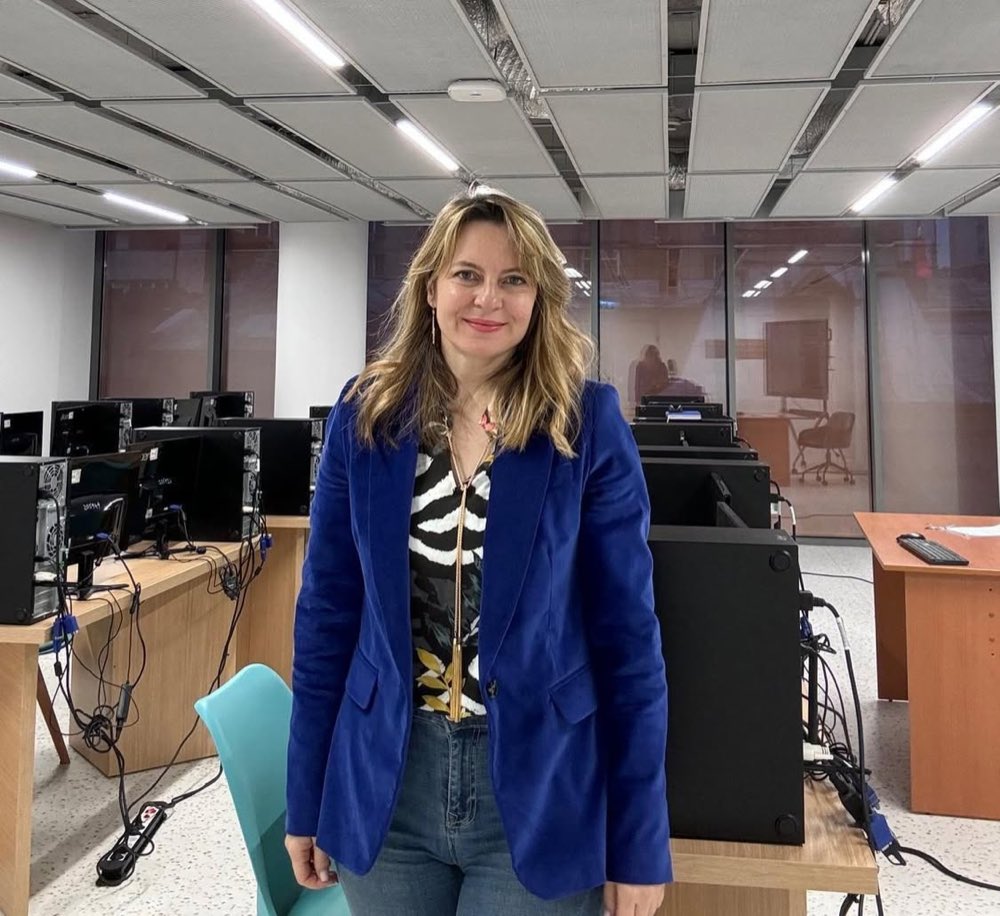
At the Igodemy Institute for Applied AI

Applied innovation · Rapid prototyping

From a rough idea to a working prototype in four weeks

The brief. A client had a bold idea for an AI feature — and no proof it would work, or that anyone actually wanted it.

What we did. A time-boxed sprint: a few days of discovery with the people who'd use it, one narrowly-scoped prototype built to fail informatively, tested on the real job, and closed with an honest go / redesign / stop call.

The outcome. A working prototype, real evidence from real users, and a decision the team could stand behind — before a single euro of production budget was committed.

4weeks, hard stop
1scoped prototype
9user tests
go / no-goevidence-backed decision
A discovery and prototyping session at the Igodemy Institute for Applied AI